

Development Partnership
In Ghana’s East Mamprusi Municipality in the North East Region, children carry dreams that extend far beyond the communities they call home. Some dream of becoming doctors who save lives; others aspire to be teachers who nurture young minds, lawyers who defend the vulnerable, and leaders who champion change. Yet, these ambitions are often met with daily learning hurdles that threaten to hold them back.
A classroom should be more than a place where children gather to learn. It should be a space that nurtures curiosity, encourages creativity, and builds foundational skills needed to navigate the world. However, for many children in Ghana’s North East Region, the reality is far removed from this ideal. Limited access to age-appropriate storybooks, reading materials, and interactive learning resources makes the acquisition of basic literacy skills a significant challenge. While dedicated teachers give their best every day, the lack of adequate instructional materials and engaging learning approaches often constrains their ability to deliver the kind of literacy instruction children need to develop reading fluency, writing proficiency and comprehension.
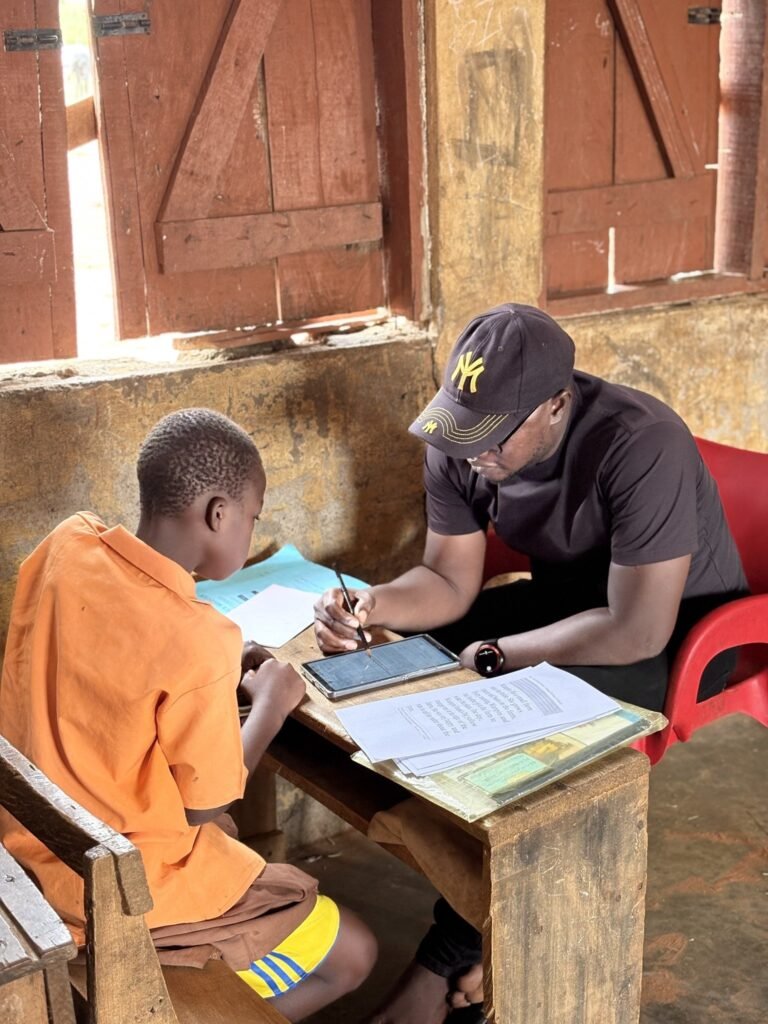
The consequences extend beyond the classroom. Across these communities, families, particularly women, work tirelessly to provide for their families and keep their children in school. Mothers rise early, labour through the day, and return home holding on to the hope that education will secure a better future for their children, one different from their own. They understand that education can create opportunities, transform their lives and break cycles of disadvantage. Yet access to education is not enough. Children must also have the resources, guidance and foundational skills required to learn meaningfully and make the most of their time in school.
This gap becomes even more concerning when looking at the foundational literacy outcomes. According to figures from Ghana’s national standardised assessment findings, only 17.1% of learners in the North East Region demonstrate the expected literacy proficiency. Many pupils in Primary one to three struggle to read, write, and comprehend simple sentences. Imagine a child who dreams of becoming a doctor but cannot yet decode a basic sentence; a future teacher who struggles to put together a coherent paragraph; or an aspiring lawyer who lacks the foundational reading skills to build upon.
Behind this figure are children struggling to acquire skills that will influence every stage of their educational journey. A pupil who cannot confidently read a simple passage may find it difficult to understand a mathematics problem. A child who struggles with writing may find it challenging to communicate ideas, participate in classroom discussions, or demonstrate what they have learnt. Without strong foundational literacy, progression through the education system becomes increasingly difficult, as reading is not simply another subject to master; it is the gateway through which children access knowledge across virtually every area of learning.
This is the opportunity that the MINDTALES Literacy Program seeks to unlock.
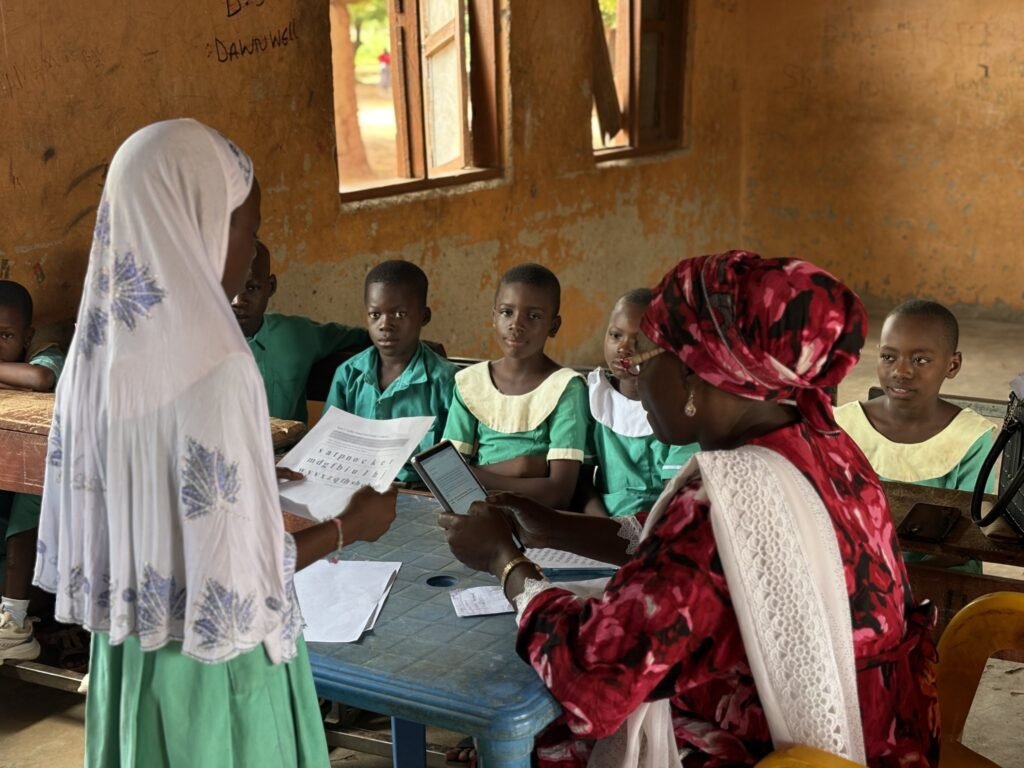
MINDTALES is designed to make foundational literacy more engaging, accessible and meaningful through an arts-based approach to learning. By equipping teachers and learners with creative, interactive literacy tools and storytelling methods, the program creates opportunities for children to develop essential reading, writing and comprehension skills in ways that stimulate their imagination and encourage active participation.
Rather than treating literacy as a process of memorising letters, words and sentences, MINDTALES creates room for children to explore language, tell stories, interpret ideas and express themselves. Through creative learning tools and storytelling methods, the programme supports teachers in making literacy instruction more participatory while helping learners build confidence, develop communication skills and cultivate a stronger connection with reading and writing.
Importantly, the programme recognises that teachers are central to improving learning outcomes. Equipping them with practical, creative and interactive resources strengthens their capacity to deliver engaging literacy lessons and respond more effectively to the learning needs of their pupils. It also helps create classroom experiences in which children are encouraged not merely to listen and repeat but to participate, imagine, question and discover the power of their own voices.
For children in East Mamprusi, this represents more than access to additional learning materials. It represents an opportunity to experience learning differently; to discover that reading can be enjoyable, writing can be empowering, and their ideas are worth expressing. It is an opportunity to build the confidence and foundational competencies that will support them not only in school but throughout their lives.