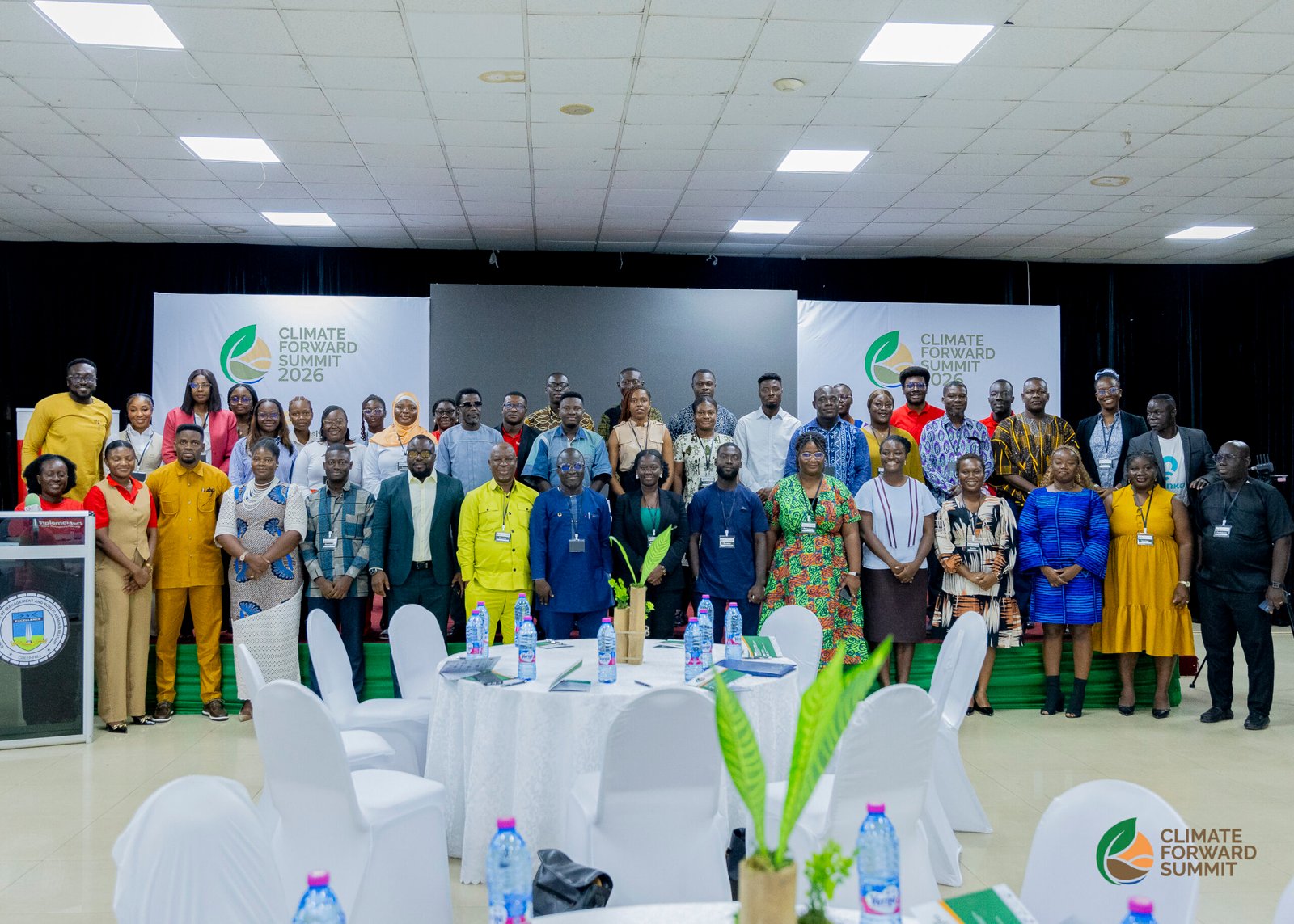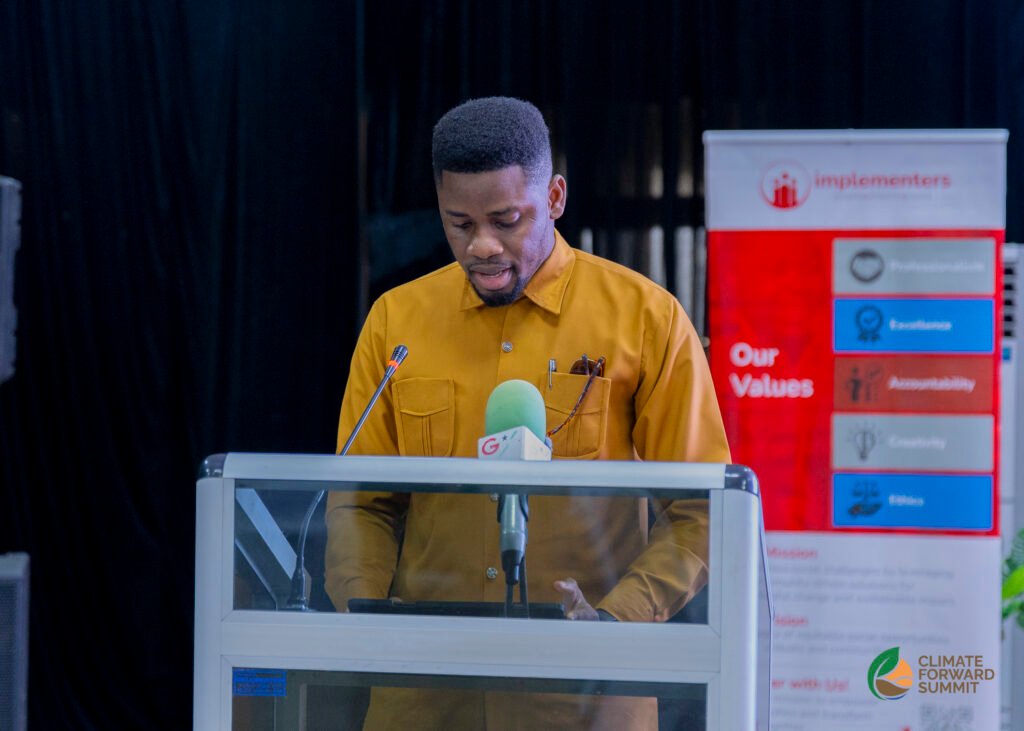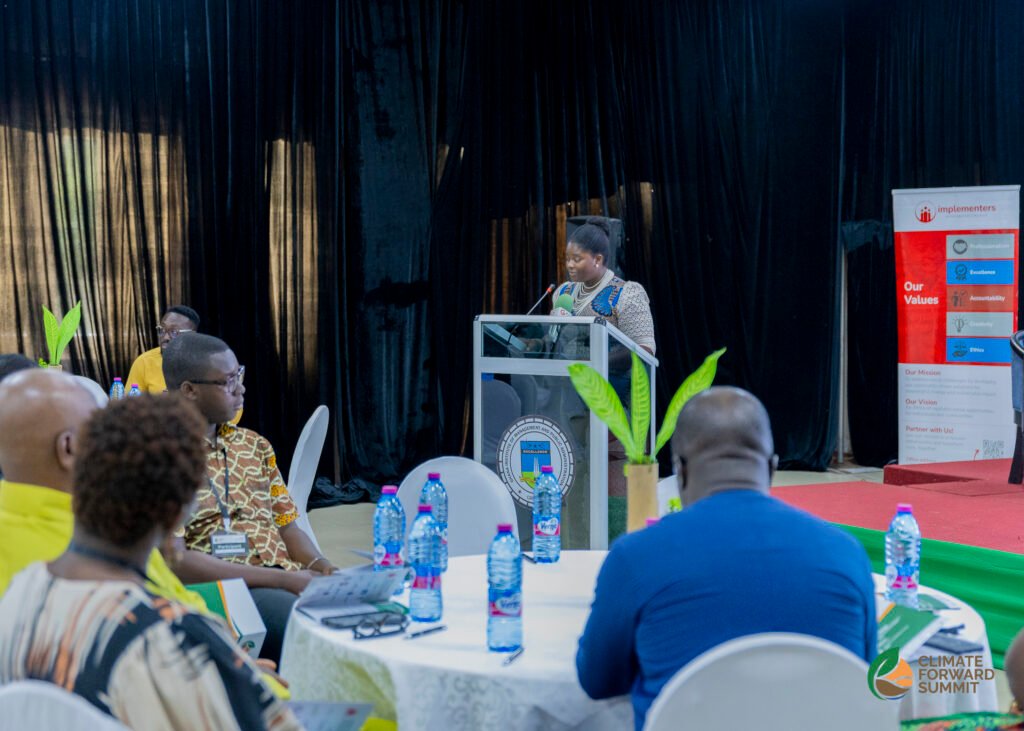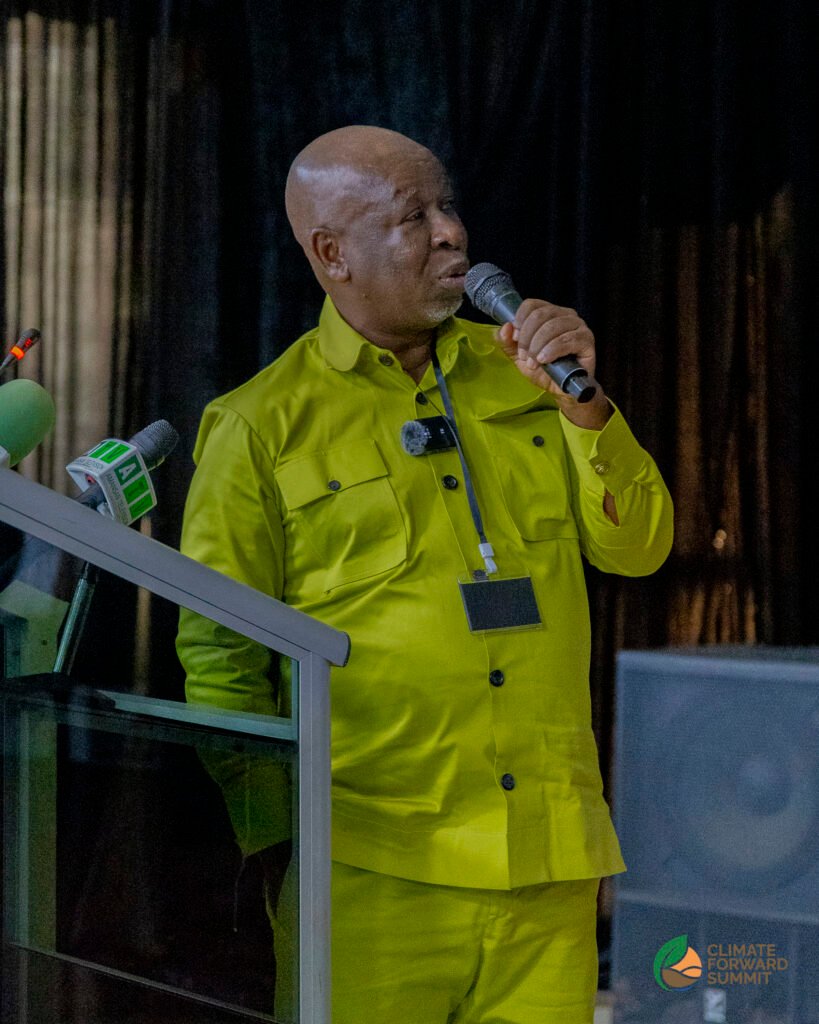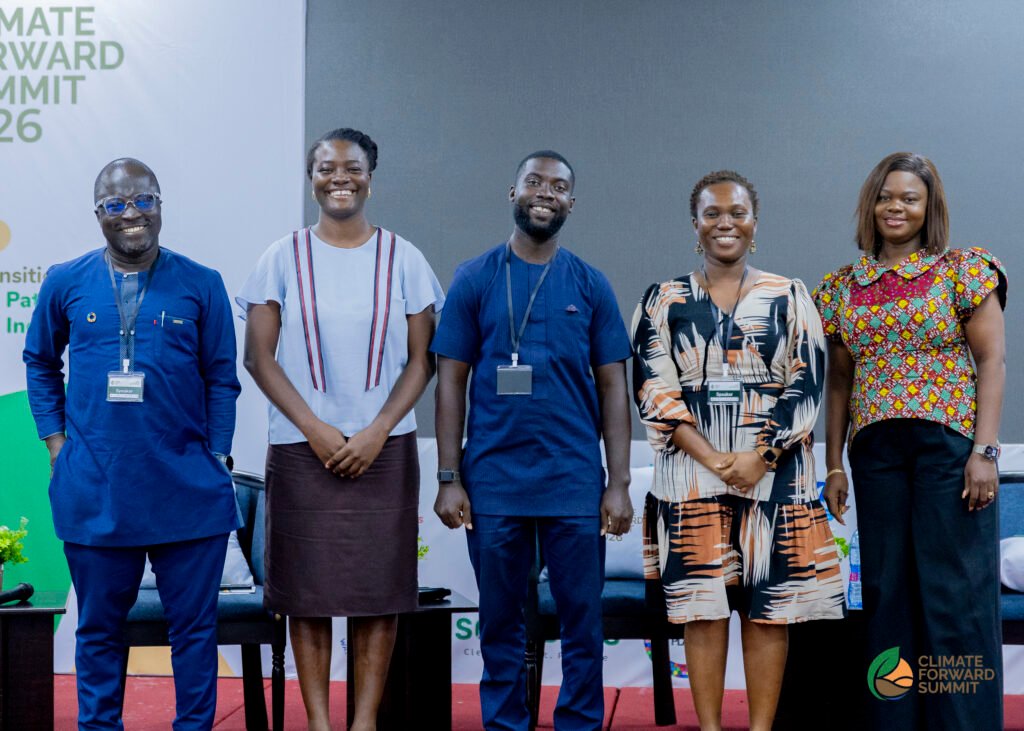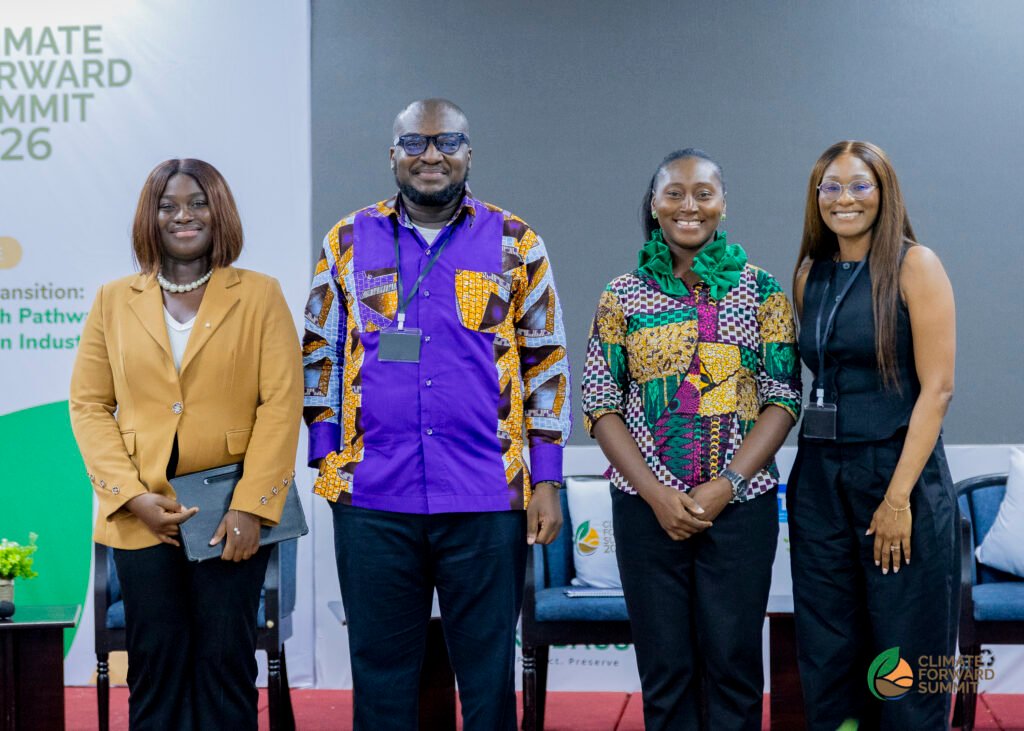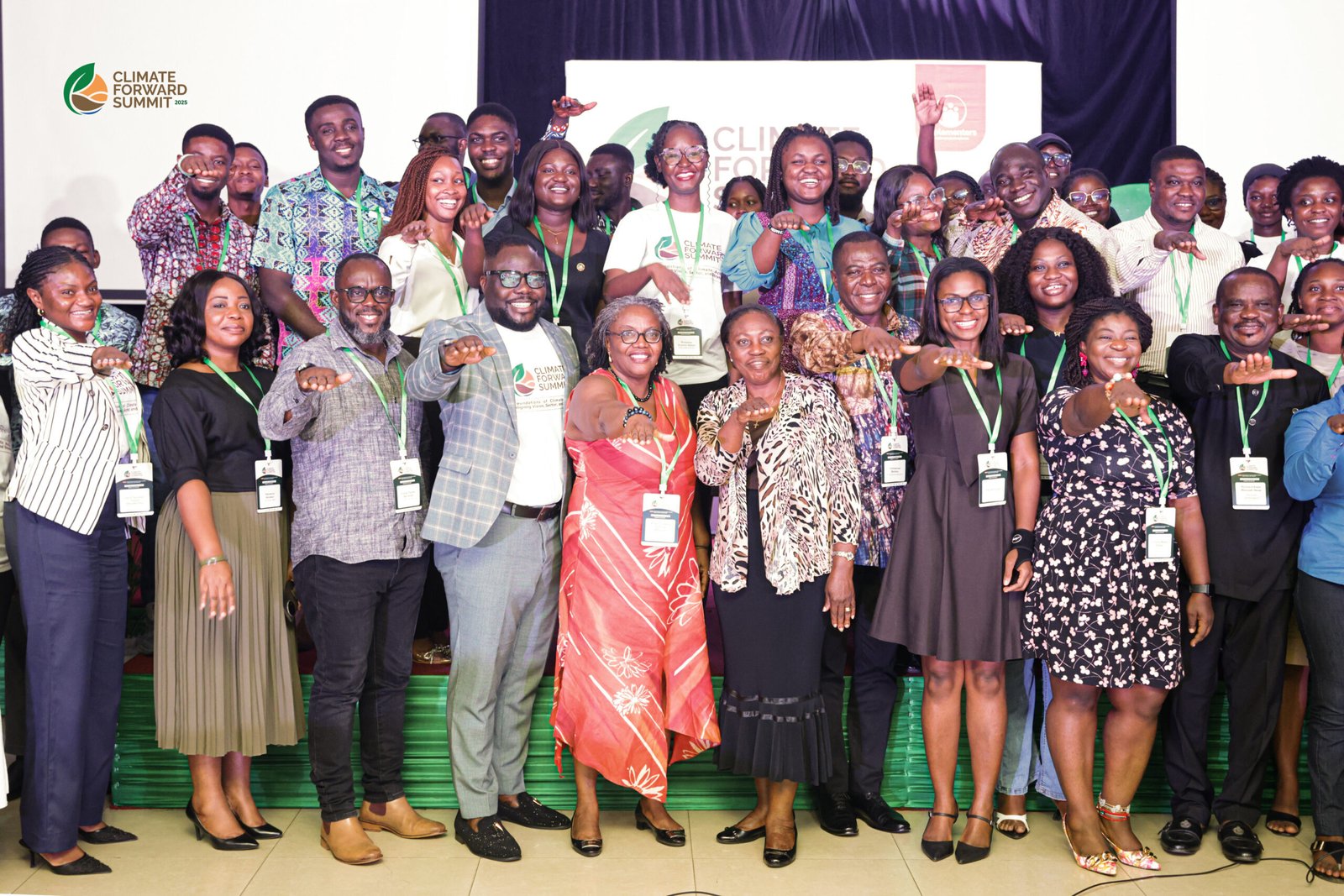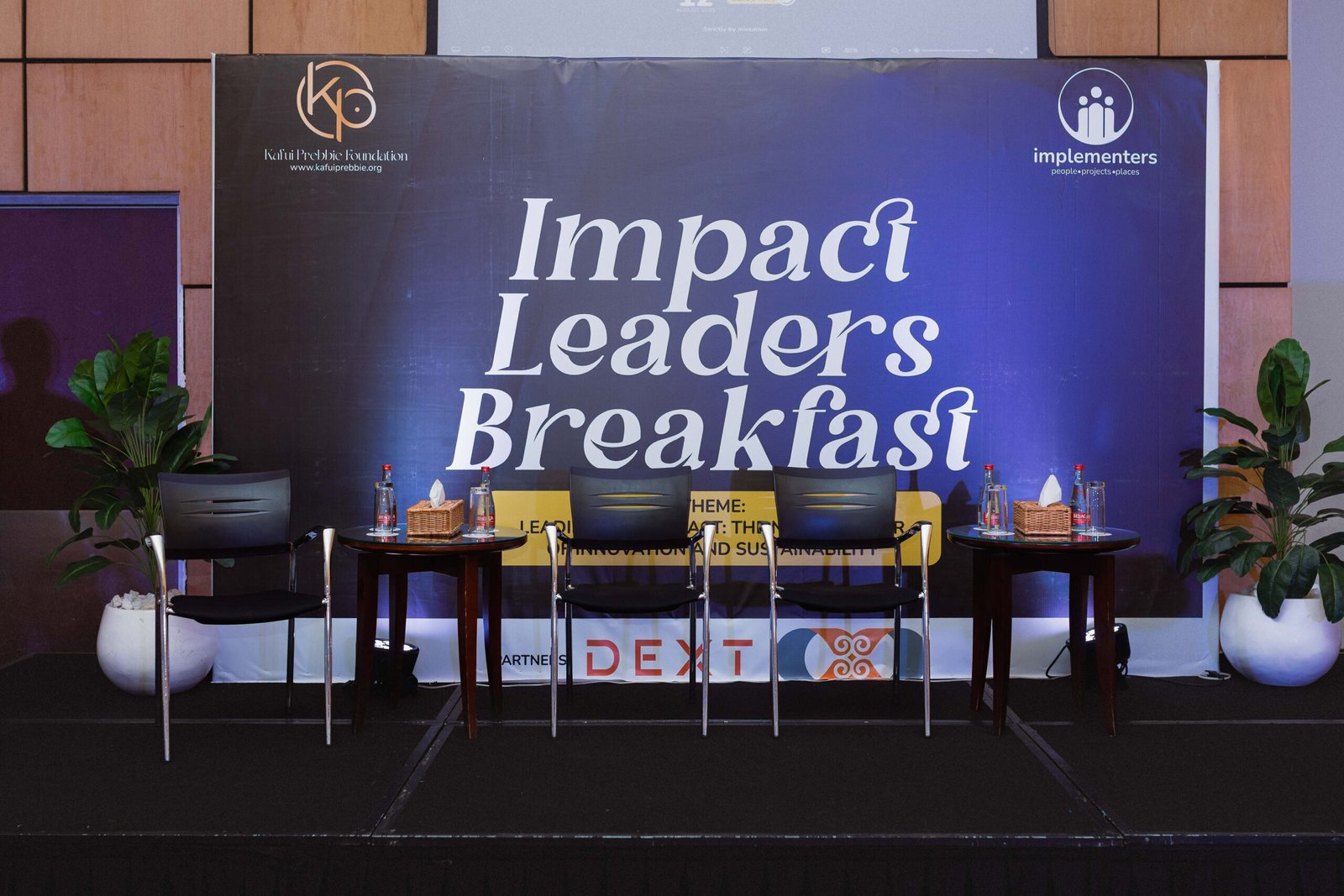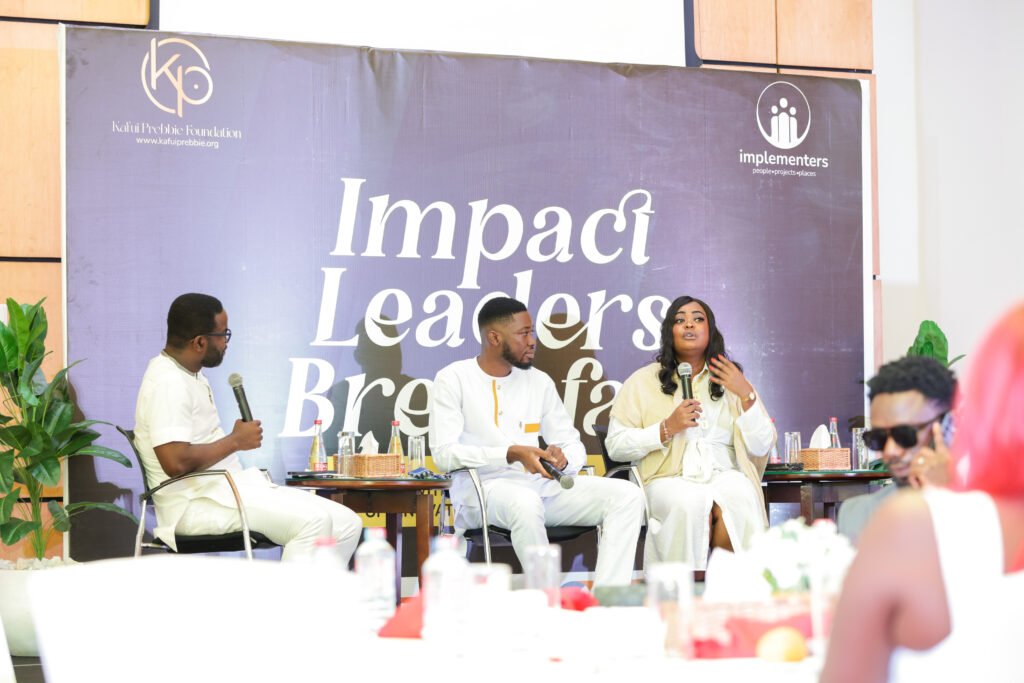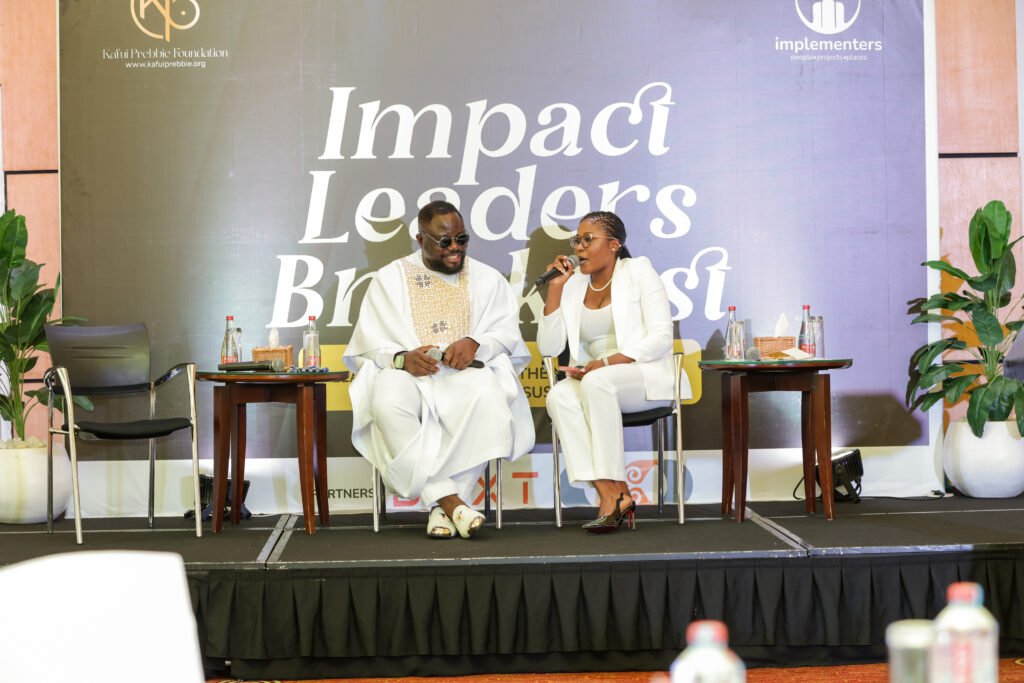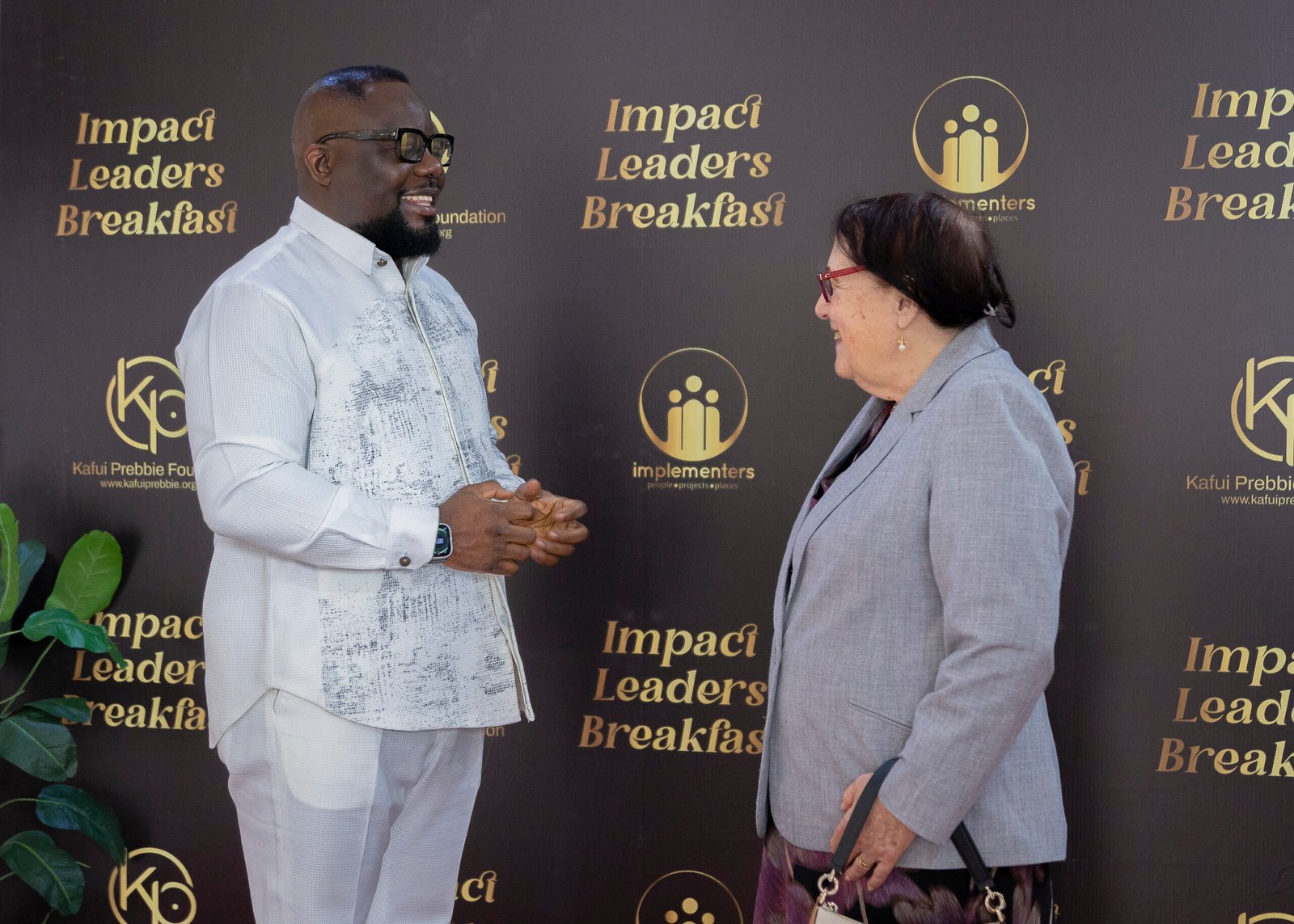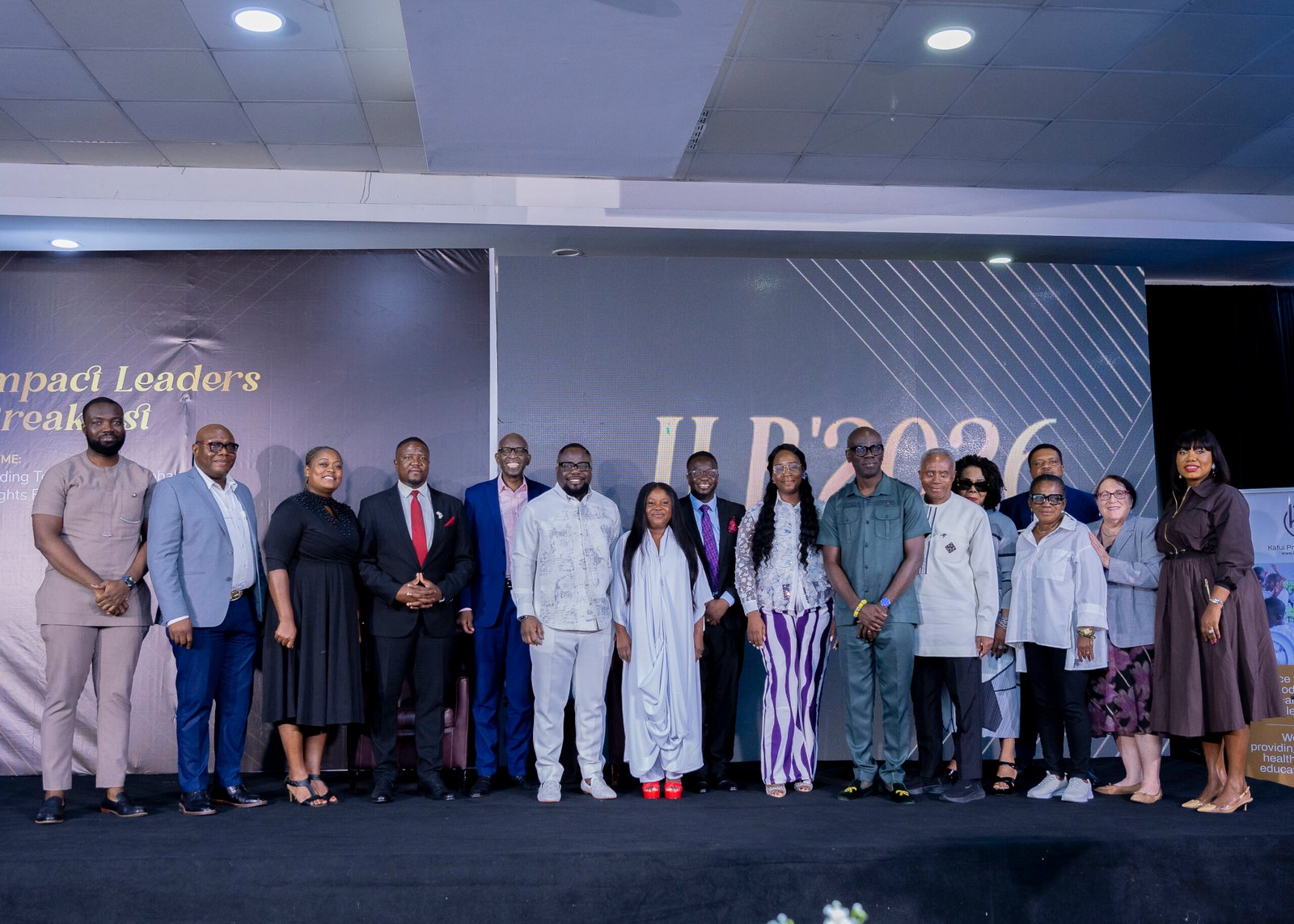


On the morning of August 12, some of the continent’s most influential executives, entrepreneurs, investors, and institutional leaders gathered at the Alisa Hotel, North Ridge, for the 2026 Impact Leaders Breakfast (ILB), a platform that continues to prove that some of the most powerful conversations about Africa’s future happen not on the largest stages, but around the most intentional tables.
Convened by Kafui Prebbie and organised by IMPLEMENTERS, this year’s edition carried the theme “Leading Together with Global Insights for Local Impact,” and it was a theme the morning lived up to in full. From leadership and innovation to cross-border collaboration and impact-driven business scaling, the conversations in the room reflected a growing appetite among Africa’s business leaders to think beyond borders, beyond sectors, and beyond business as usual.
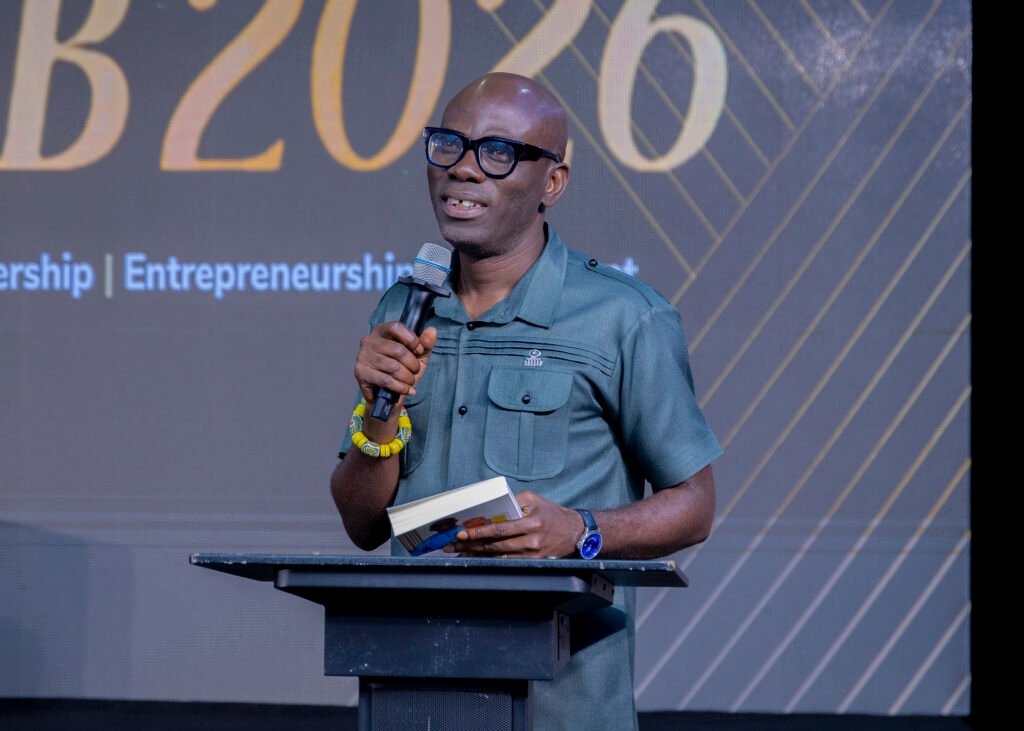
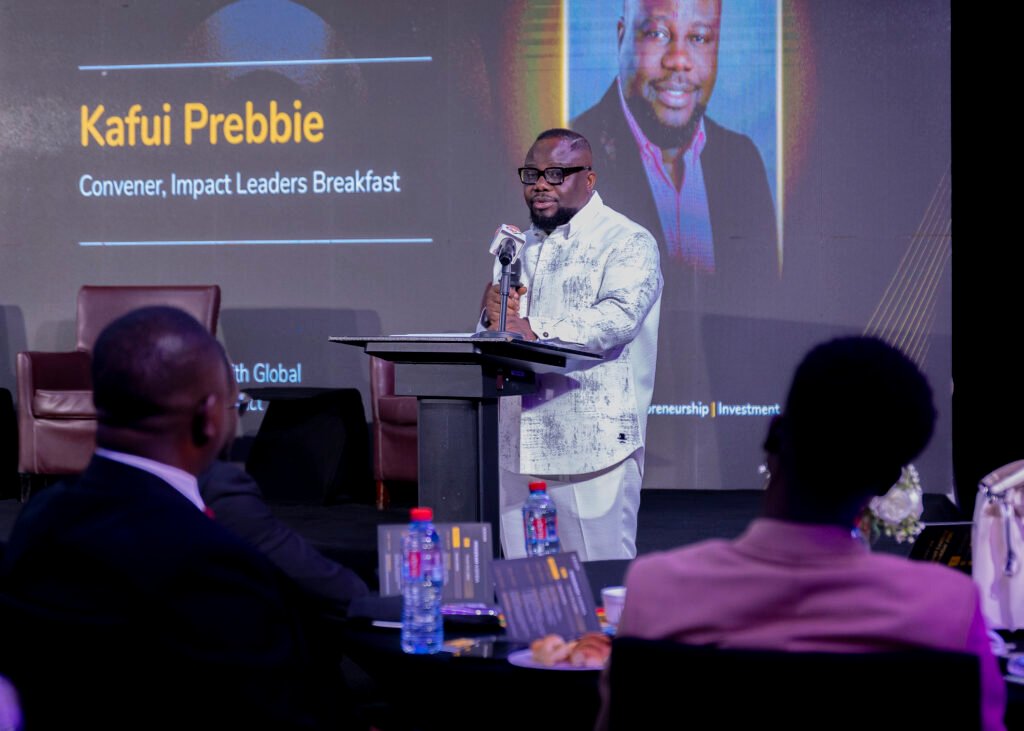
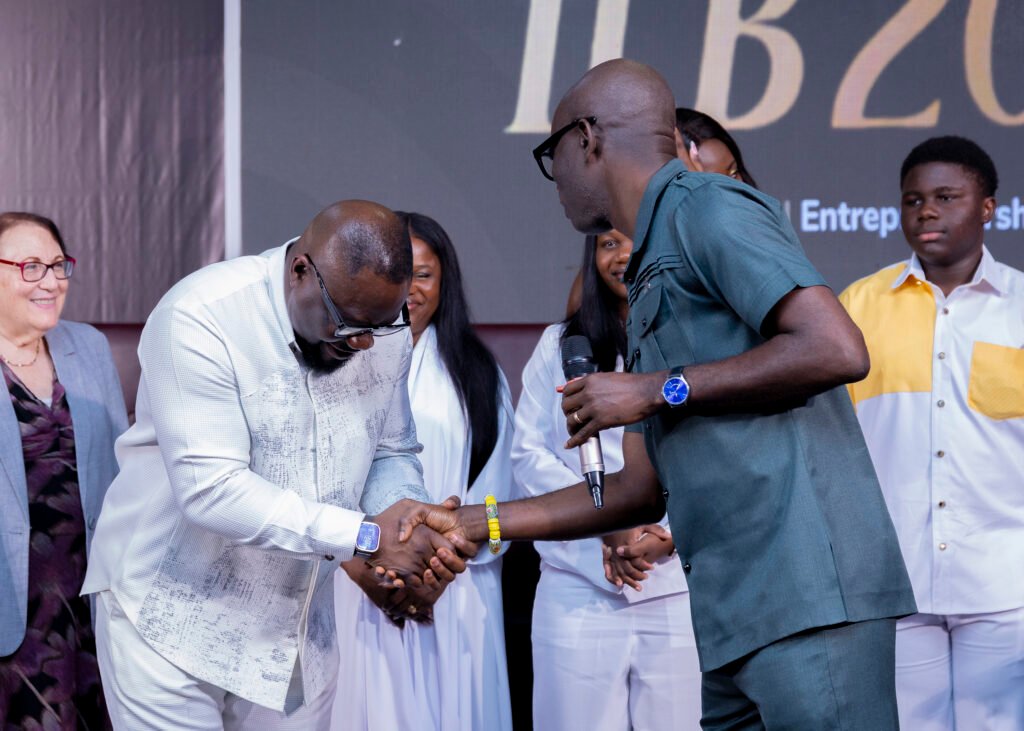
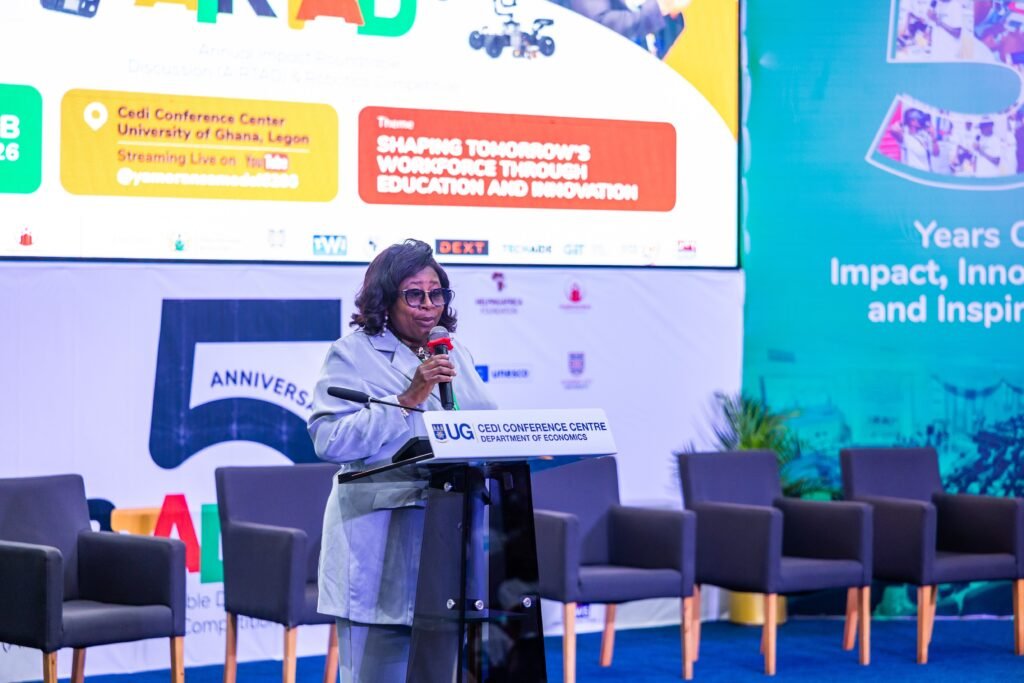
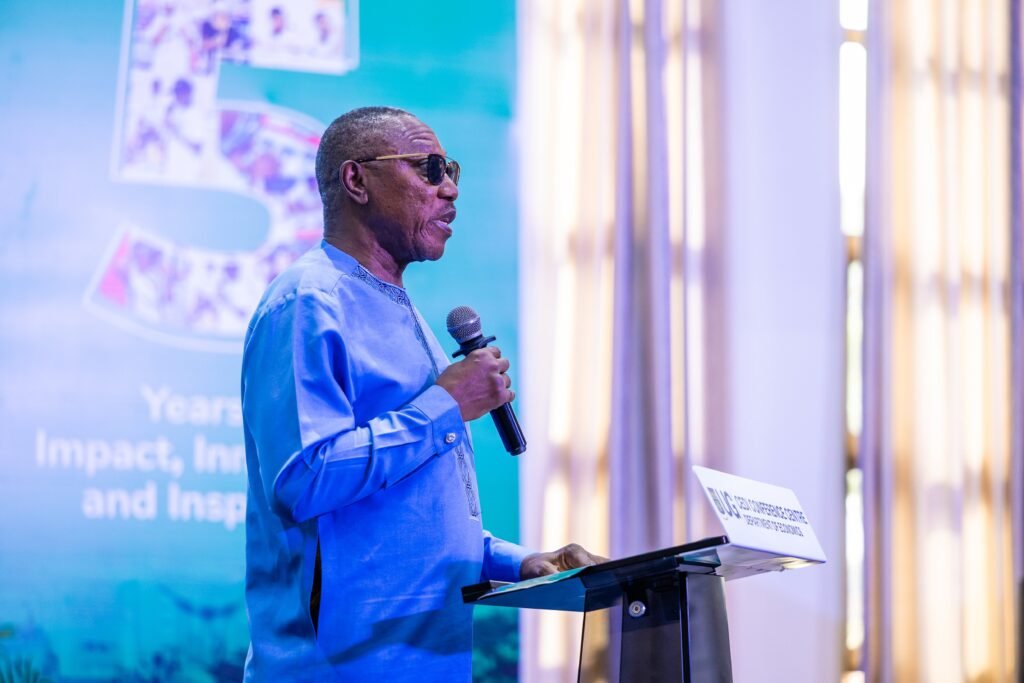
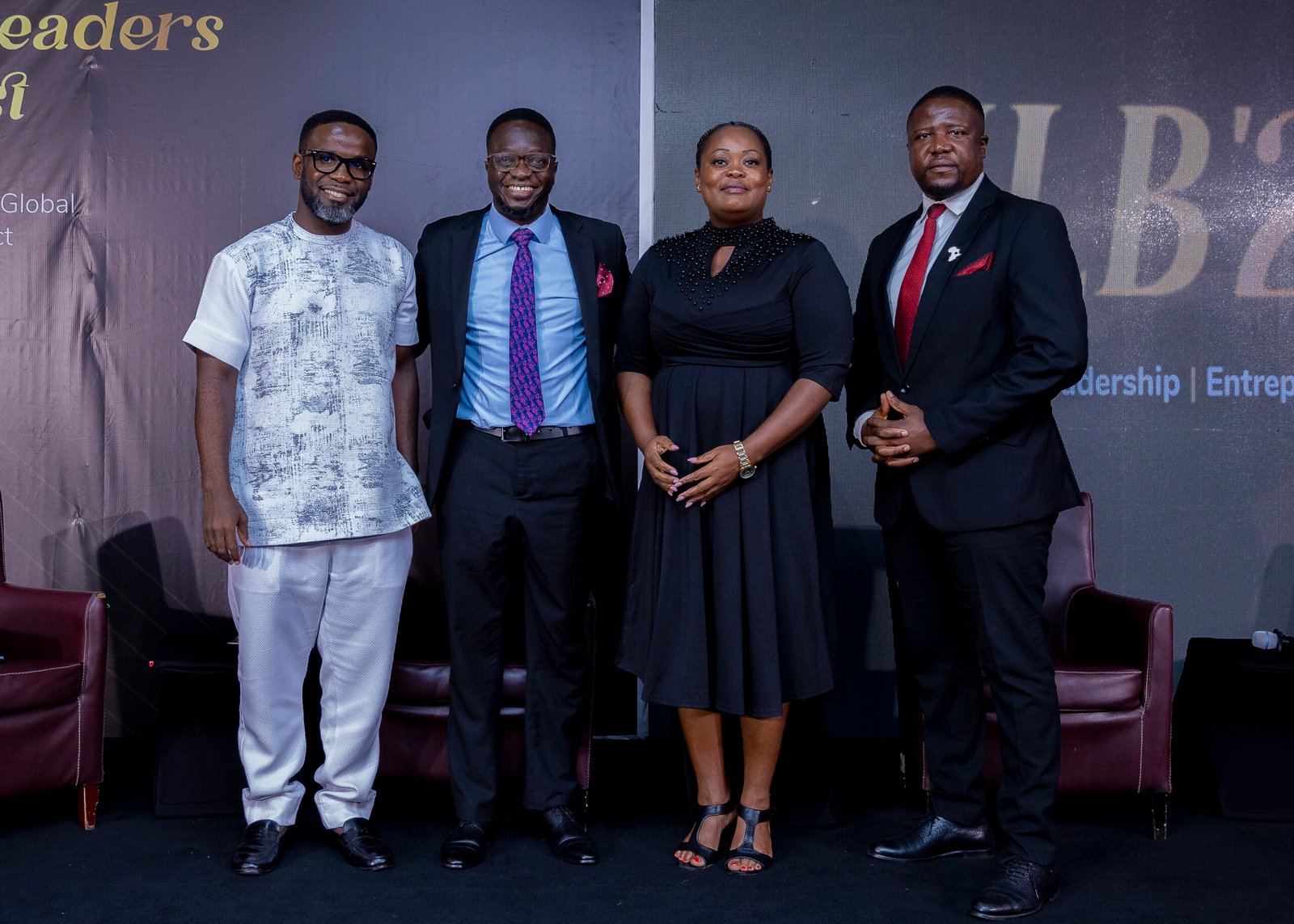
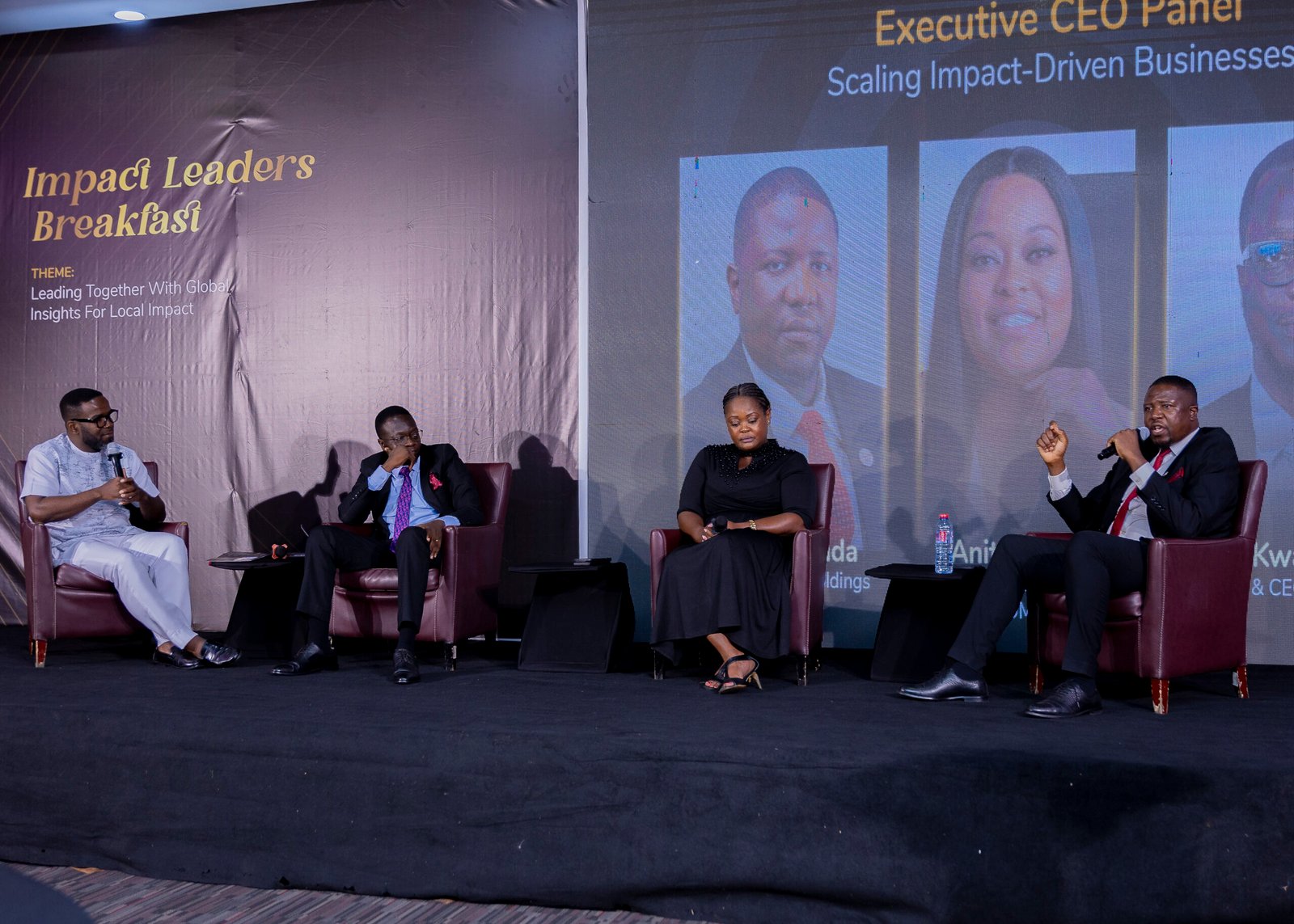
The morning opened with a welcome address from the convener, Kafui Prebbie, who reaffirmed the vision of the gathering to bring together leaders across business, investment, and entrepreneurship to exchange ideas, build meaningful connections, and translate global insights into local opportunities and impact. Rev. Albert Ocran, Co-founder of the Springboard Roadshow Foundation, followed it up with a keynote speech that set the tone with reflections on leadership and innovation across borders, reminding a room full of decision-makers that great leadership is often less about scale and more about the courage to lead differently. That energy carried into the CEO Panel, where the CEO of Bako Group Holding, Bako Ambianda, CEO of Grey Parrot IO, Papa Kwame Anane, and CEO of OML Africa, Anita Wiafe, unpacked what it truly takes to scale impact-driven businesses in African markets, drawing from candid, boardroom-tested experience rather than theory.
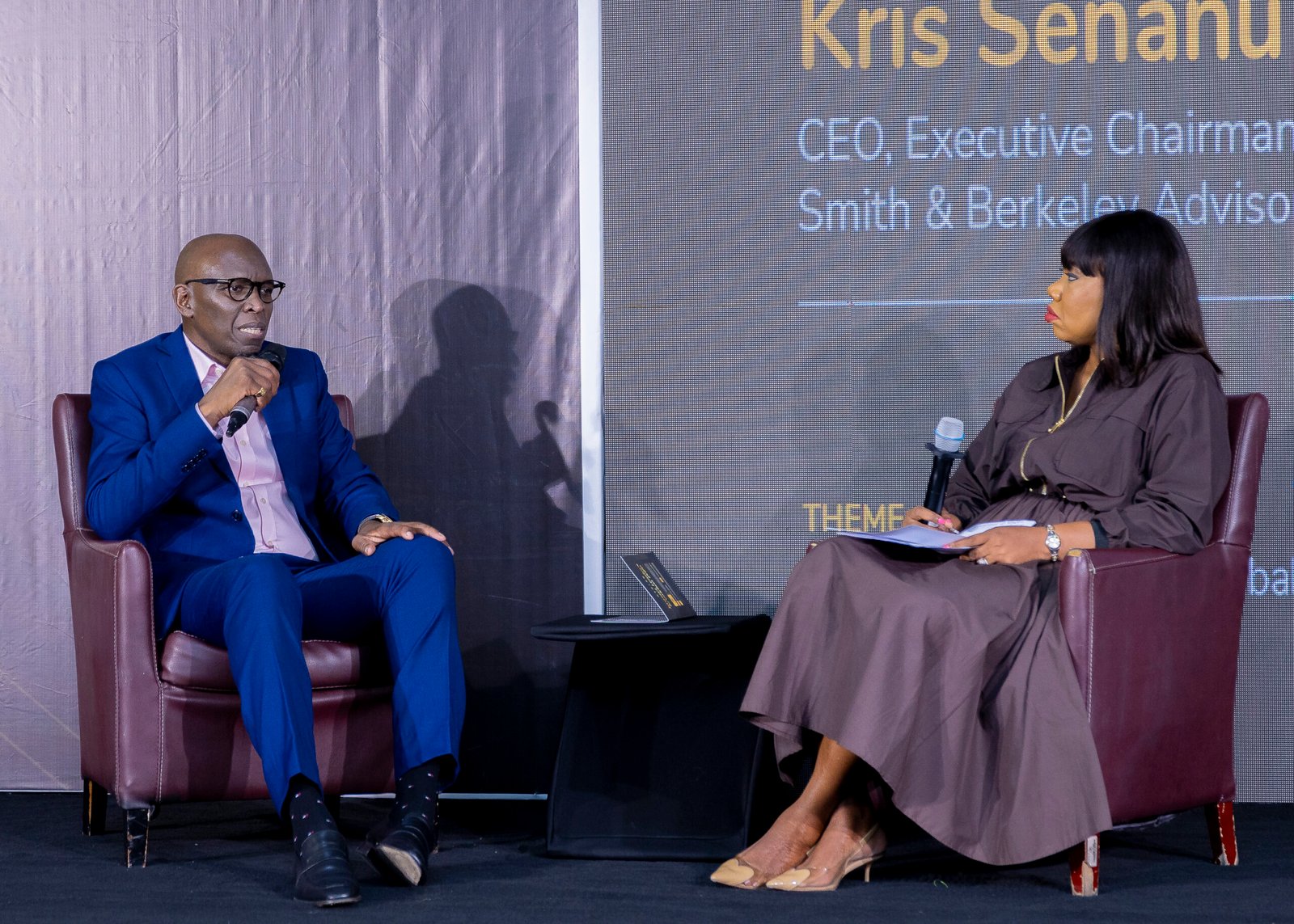
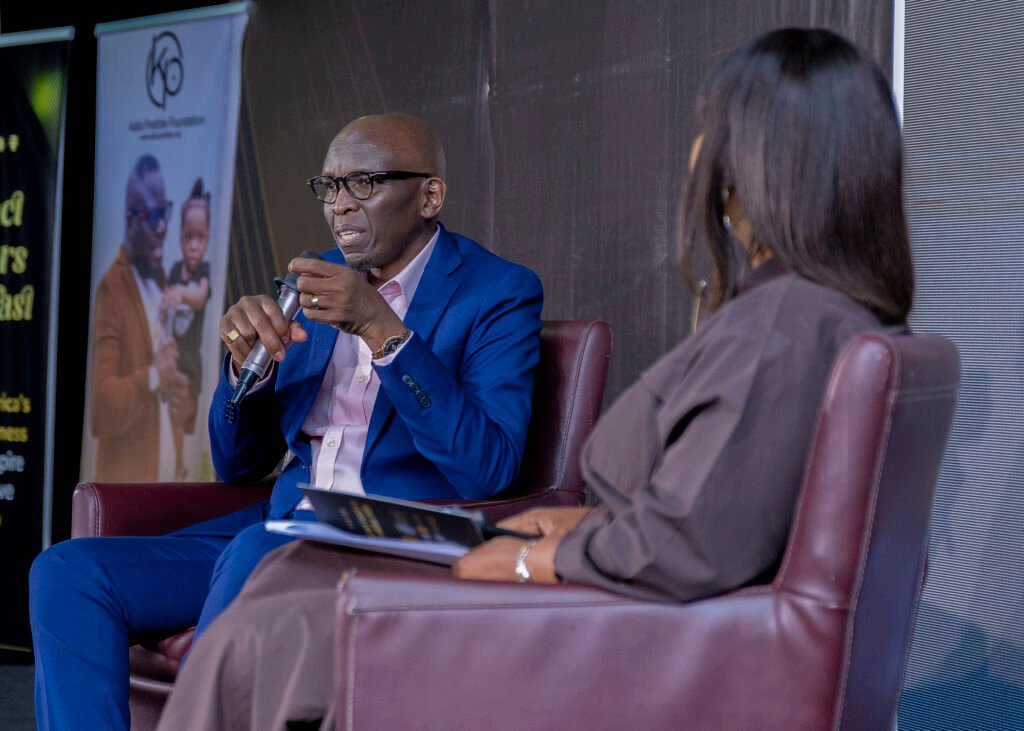
Perhaps one of the morning’s most compelling moments came via a fireside chat with Kris Senanu, Executive Chairman of Smith & Berkeley Advisory LLC, who spoke on cross-border leadership and ecosystem building, a fitting embodiment of the “global insights” the theme promised. His voice, alongside the rest of the morning’s speakers, underscored a growing truth: solving Africa’s biggest challenges will take leaders who are willing to build beyond their own backyards.

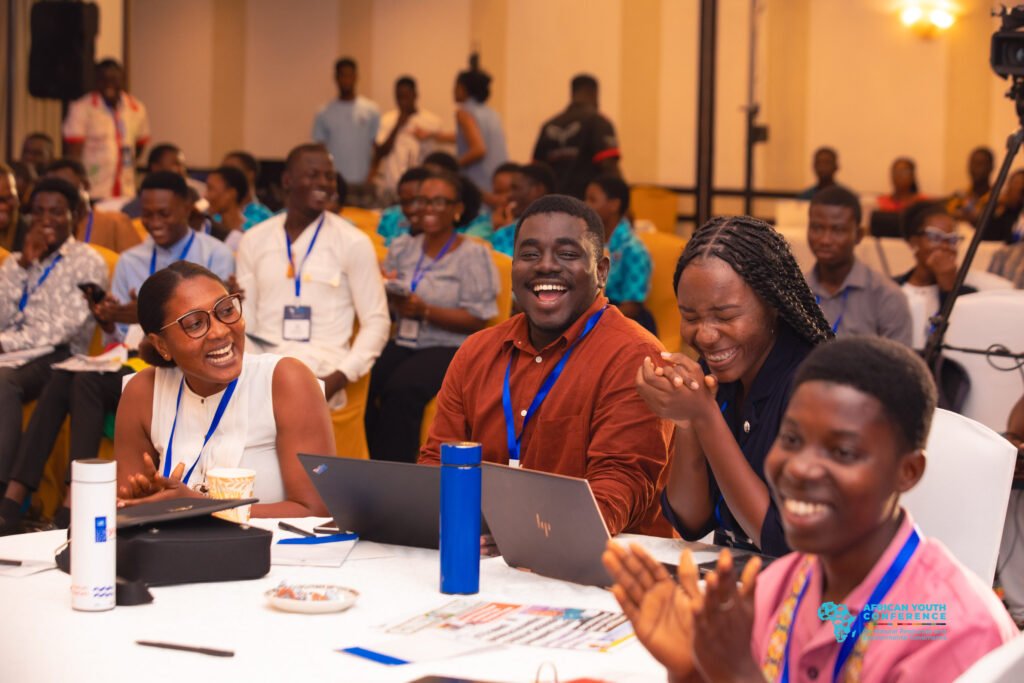
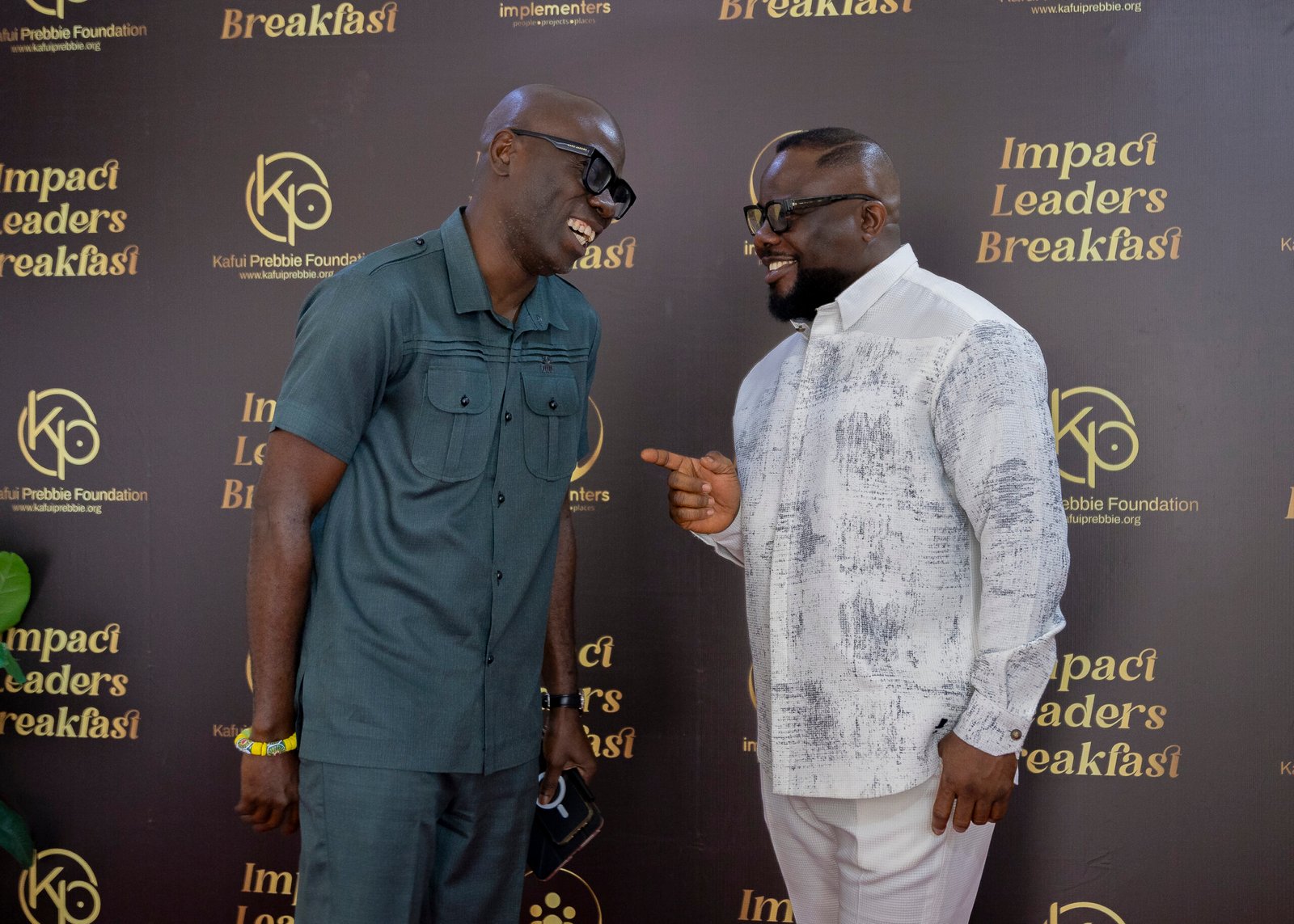
Beyond the formal sessions, the breakfast created space for something equally valuable: connection. With top executives in the room and young leaders joining virtually, this year’s ILB stayed true to its mandate. Executive networking sessions gave leaders room to engage directly, exchange ideas, and, in many cases, begin relationships that extended well beyond the breakfast table.
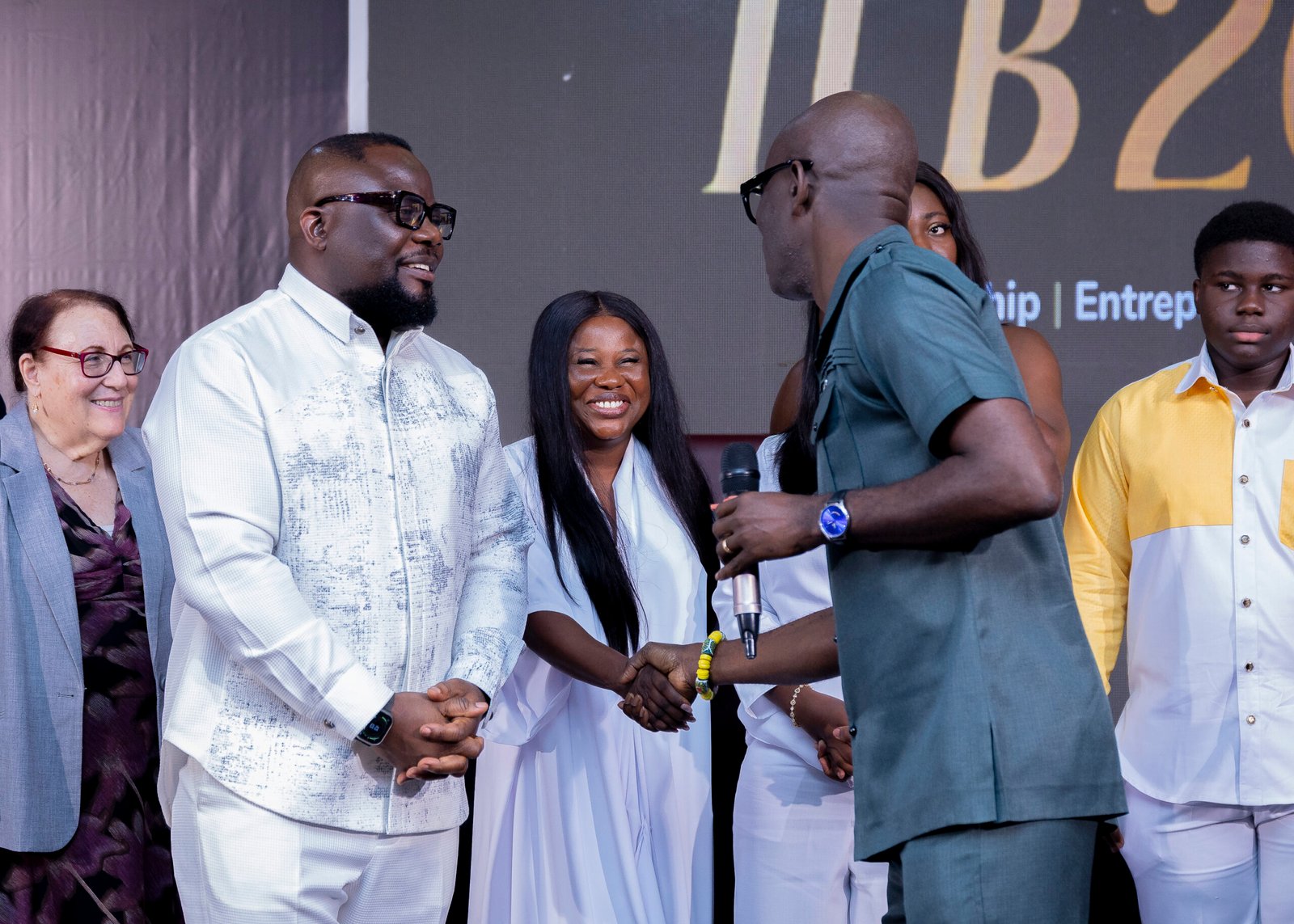
That spirit of connection reached well beyond the room. ILB has always understood that leadership means little without impact, and this year’s edition made that link tangible. Alongside breakfast, the Kafui Prebbie Foundation held a fundraiser that brought the morning’s conversations to life for the children and communities the Foundation supports.
ILB 2026 also stood out as a strategic gathering point, drawing representation from over 20 potential partner institutions, including Helping Africa Foundation, Mastercard Foundation, MTN, CAMFED, UNESCO, Zipline, and Bako Holdings, among others.
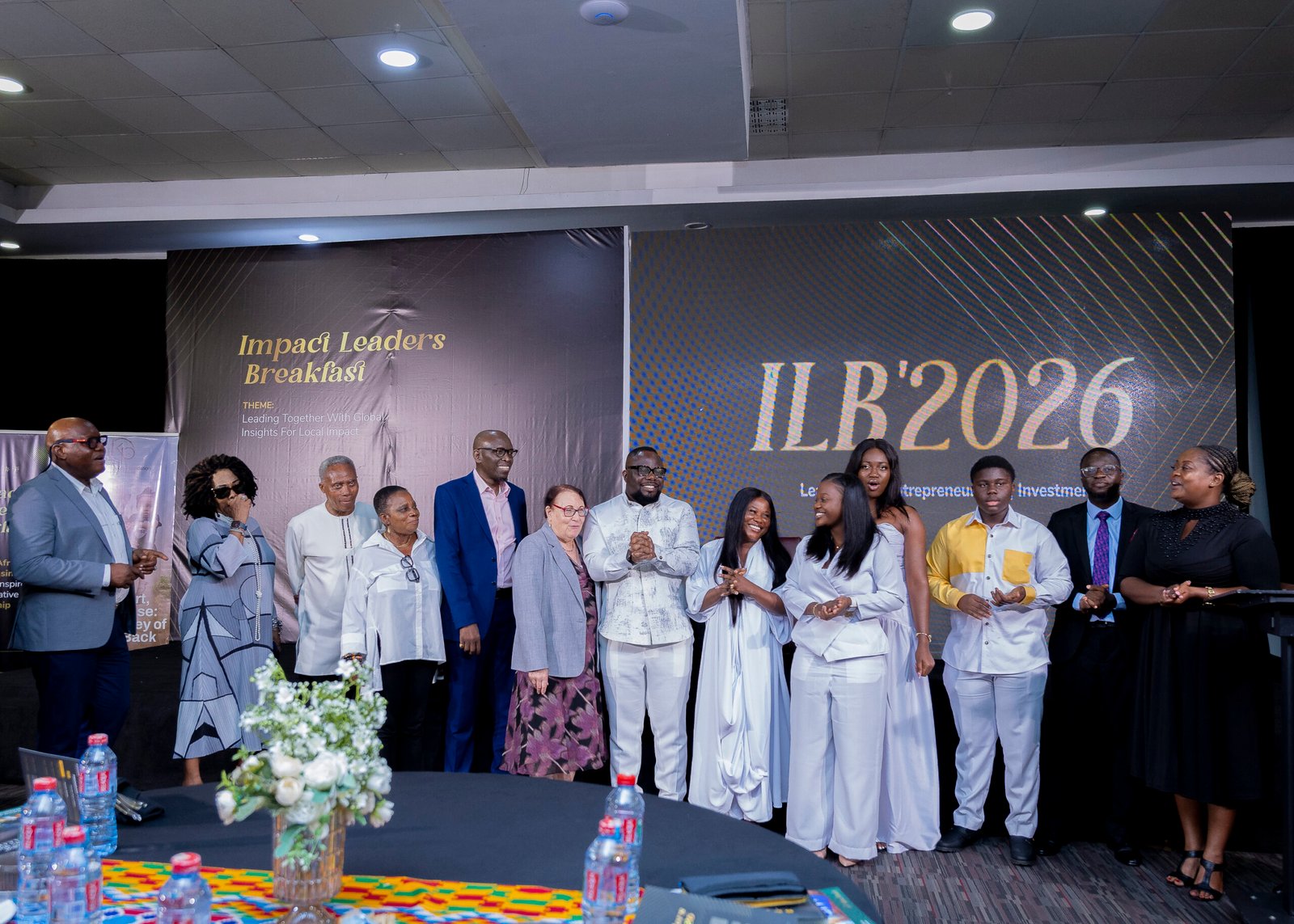
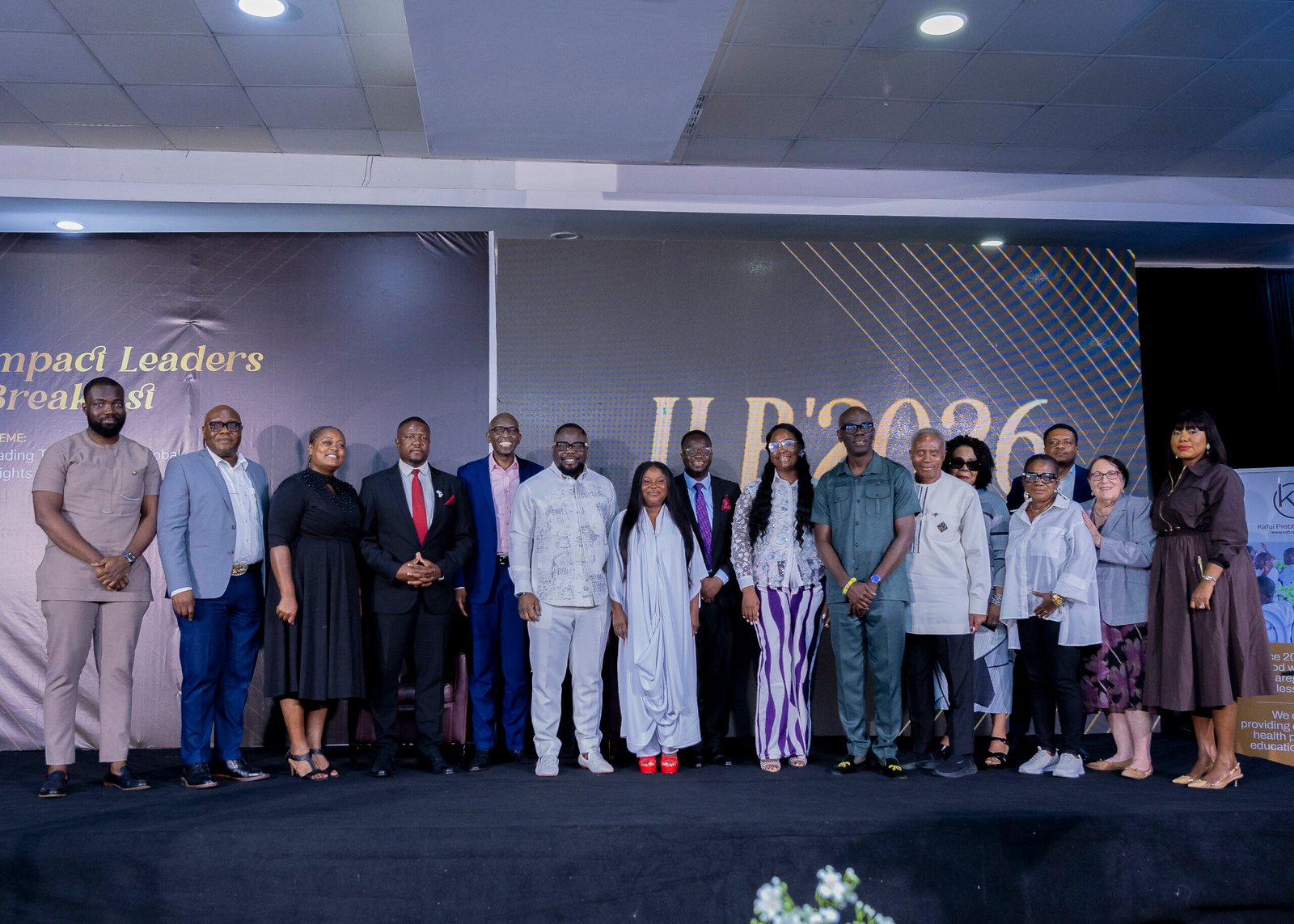
As the morning drew to a close, one thing was clear: the Impact Leaders Breakfast is a space where leadership, innovation and impact meet over the same table, where global perspective meets local purpose, and where the relationships formed over breakfast have the power to shape what comes next, not just for the businesses represented, but for the communities standing to benefit from the leadership in that room.