


When it comes to restoring degraded landscapes, planting trees is often regarded as the immediate solution. True, long-term environmental sustainability requires more than just planting trees; it requires local ownership, shared responsibility and active community participation.
This is the driving force behind the Yendia Programme, a climate action initiative developed by IMPLEMENTERS. Yendia is a community-led climate resilience initiative, implemented to support the restoration of degraded landscapes while empowering local communities to become active custodians of their natural environment. Yendia – a name derived from the Akan expression meaning “our own”, reflects the belief that natural resources such as lands, water bodies, the air etc, belongs to everyone. The concept reflects the initiative’s central philosophy that the environment belongs to everyone and, therefore, everyone has a responsibility to protect, restore, and sustainably manage it. Rather than viewing environmental restoration as the sole responsibility of government institutions or conservation organizations, Yendia promotes a shared sense of ownership and collective responsibility among community members, young people, schools, traditional authorities, and other stakeholders. Yendia is anchored on four interconnected pillars designed to address both the environmental and socio-economic dimensions of climate resilience. These are:
- Tree Gifting and Planting
- Climate Literacy Education
- Climate-Smart Skills and Livelihood Training
- Reporting, Monitoring and Verification (RMV)
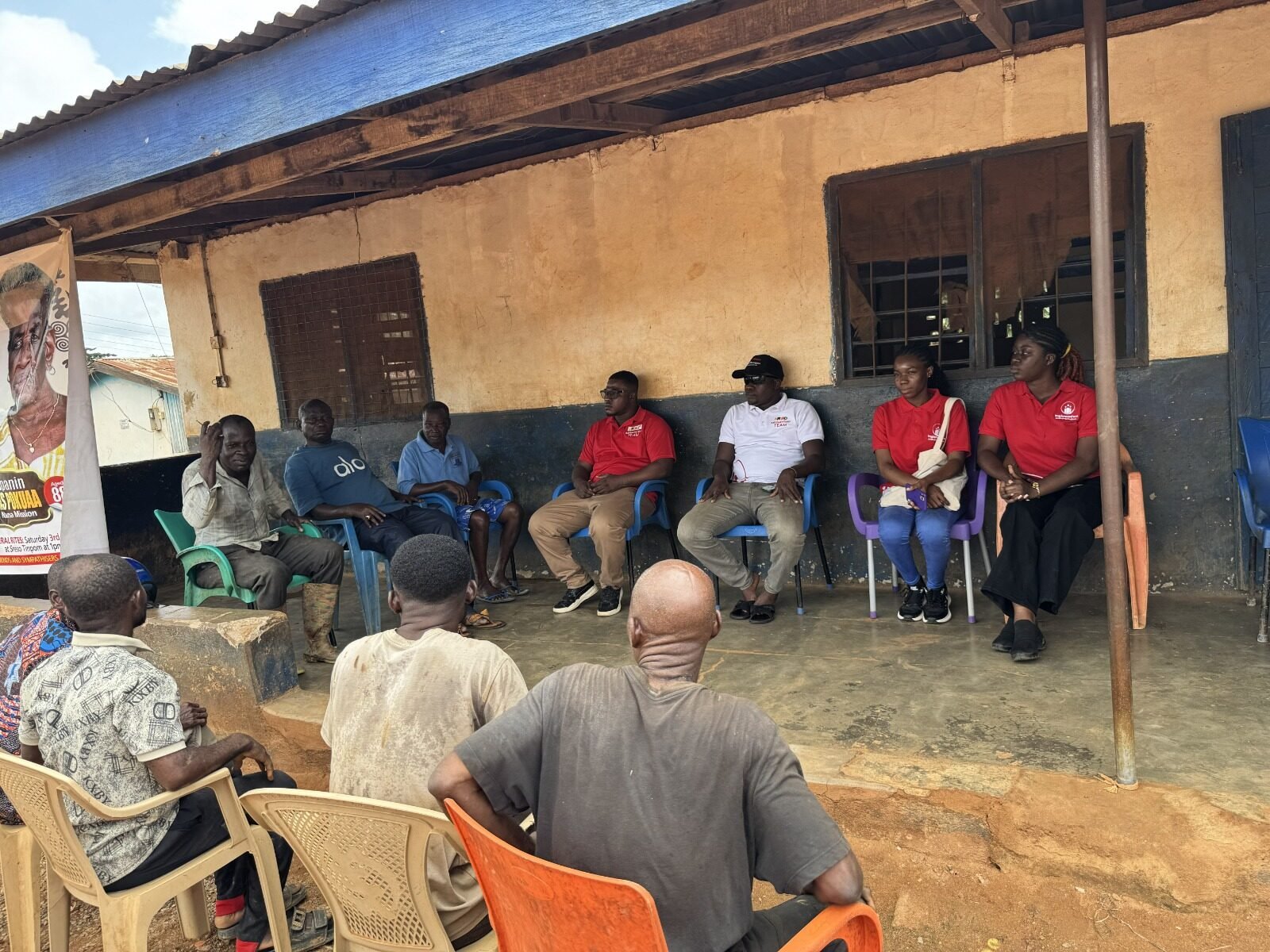
After the launch of the Yendia Programme at our Climate Forward Summit in July 2026, IMPLEMENTERS embarked on a field implementation exercise in the Atwima Mponua District, for stakeholder engagement with representatives of the District Assembly, Traditional authorities, community leaders and elders, and Local community members and youth. The engagements went beyond merely introducing the project objectives to focus heavily on co-creating solutions.
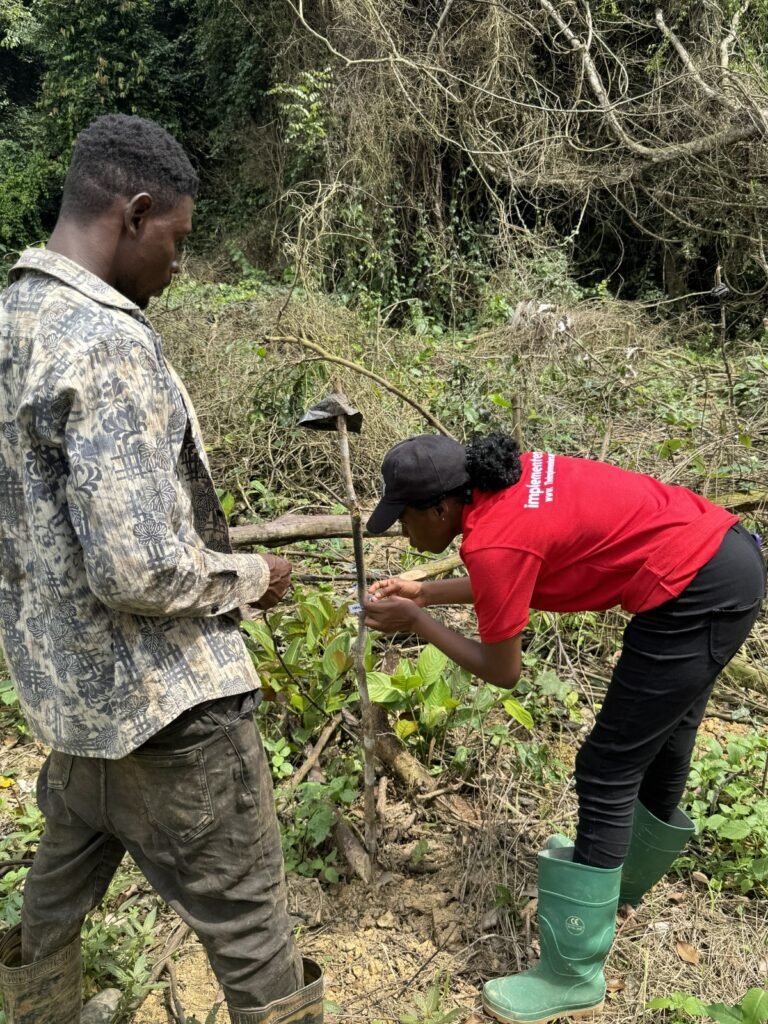
The team conducted a pilot test restoration exercise on one hectare (1 ha) of land within the Tano Offin Forest Reserve in the Ashanti Region of Ghana and represents an important ecological landscape requiring sustained protection and restoration. The pilot test involved the planting of 1,011 indigenous trees, including species such as Ofram and Mahogany. The pilot was designed to test and refine the restoration and monitoring approach before scaling the intervention to the broader 10-hectare restoration target. The success of the pilot will therefore provide valuable information for improving subsequent phases of implementation and ensuring that restoration efforts are both effective and sustainable.
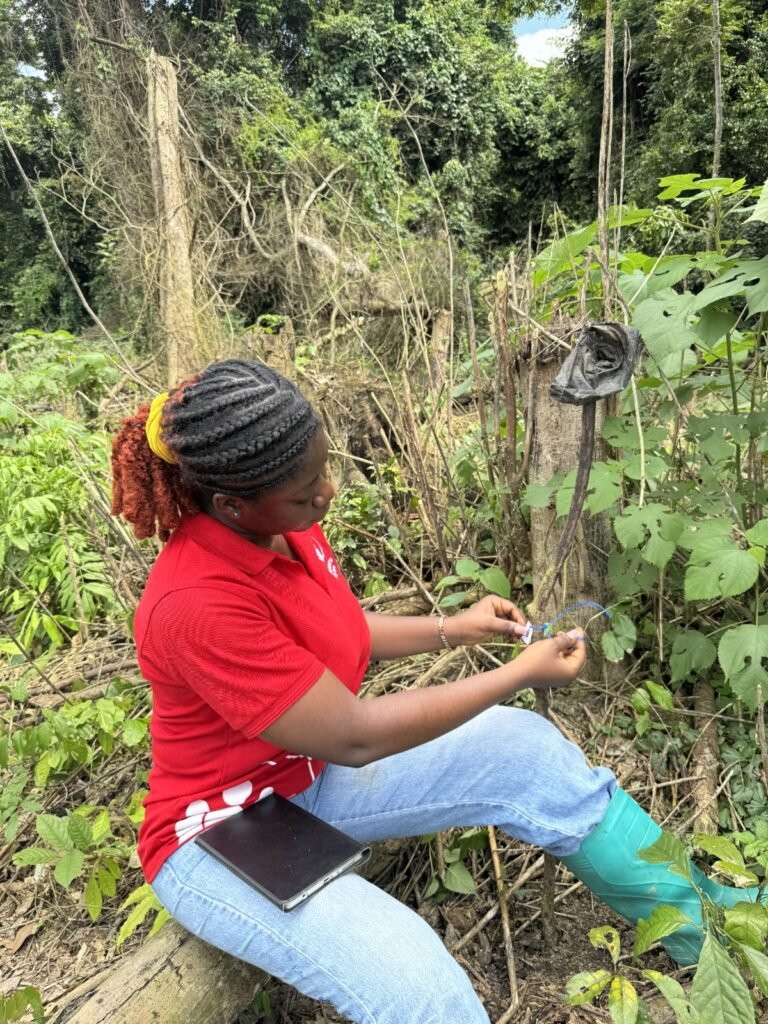
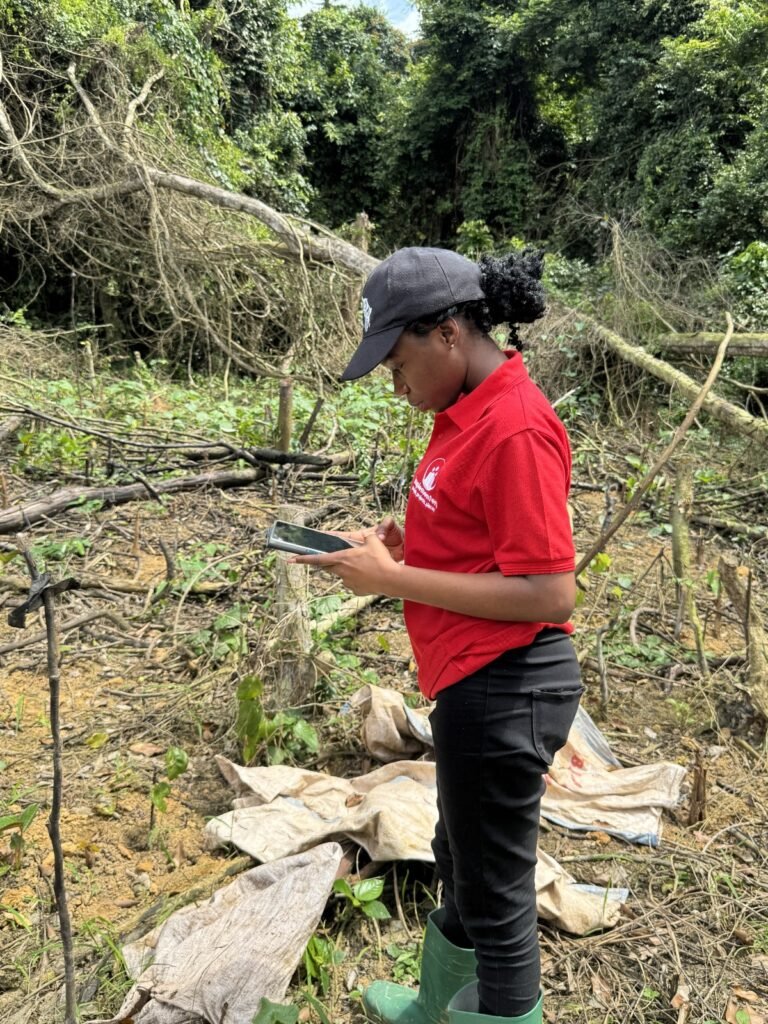
During the data-collection exercise, the team documented the tree species planted during the pilot exercise and captured the GPS coordinates of the individual trees using the Yendia digital collection software. The data will serve as a baseline for subsequent monitoring and assessment of tree survival and growth. This digital monitoring system is particularly important because restoration success cannot be measured solely by the number of trees planted. The long-term survival and development of the trees are equally critical indicators of restoration success. By tracking individual trees, the project can identify areas where mortality is high, facilitate timely replacement planting, and determine whether trees have been affected by human activities such as illegal logging. The data generated through the RMV process will also contribute to building a reliable evidence base for evaluating the effectiveness of the restoration intervention and guiding future decisions.
In addition, a key component of the field visit was engagement with relevant stakeholders, including representatives of the District Assembly, traditional authorities, community leaders, elders and community members. The IMPLEMENTERS team explained the expected environmental and socio-economic benefits, and emphasised how community involvement is vital to protecting restored areas and ensuring the long-term survival of planted trees beyond the implementation phase.
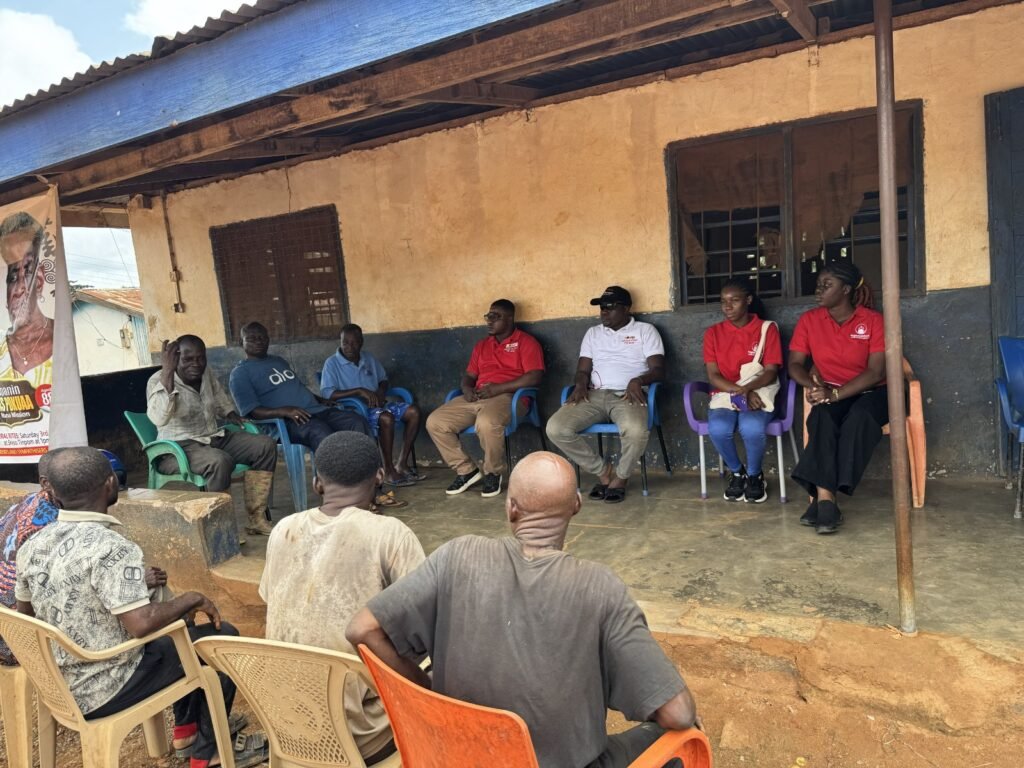
By involving local structures from the very beginning, Yendia tackles environmental degradation across multiple interconnected fronts:
- Empowering the Next Generation: Through climate literacy education, schools and young people are equipped with interactive tools and knowledge to become active advocates for conservation within their homes and communities.
- Aligning Conservation with Livelihoods: Recognising that economic pressures can drive resource exploitation, the initiative introduces climate-smart livelihood training such as honey production and composting, proving that economic opportunity and environmental protection can go hand in hand.
- Bridging Top-Down Goals with Grassroots Action: Rather than acting as passive beneficiaries of an external project, community members serve as active custodians of their environment.
Ultimately, the Yendia Programme reinforces a powerful and timeless message: protecting and restoring our natural landscapes is a shared responsibility because the environment is truly “our own”!
To know more about the Yendia Program, visit http://climateforwardsummit.org